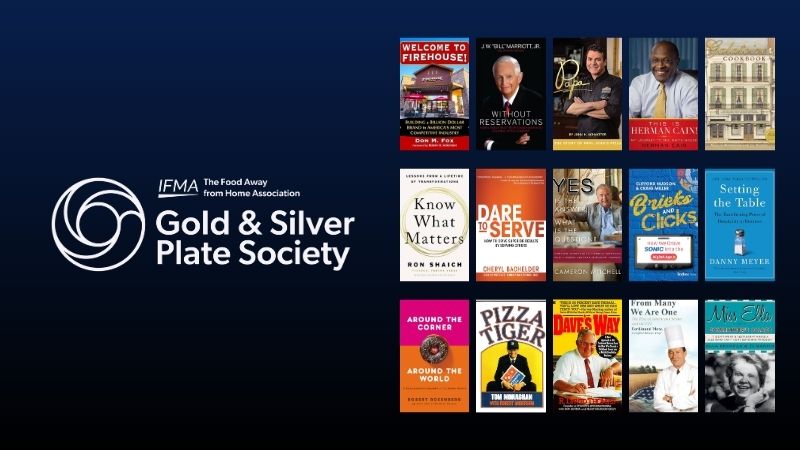
CHICAGO, March, 27, 2026 - Darn those Silver Plate winners. It’s not enough they’ve earned the food-away-from-home industry’s most prestigious honor, the recognition of being tops within their market segment in the year they were up for the award. More than a dozen had to show what overachievers they were by writing books about their lives and careers.
Their literary efforts are more than a reminder of what slackers the rest of us may seem in comparison. The accounts they committed to print answer the questions, Why them? What did they do, say, and think to earn a place in the industry’s pantheon of the best-ever? After all, only about 500 individuals have won a Plate in the 70 years IFMA The Food Away from Home Association has conducted the competition.
If you want to learn their secrets, here’s a reading list: 15 books that Plate winners hammered out as part of their standout careers. The roster is arrayed in reverse chronological order of the author winning the Silver Plate. Note that the categories in which the author won a Silver Plate changed over the years as markets evolved.
We’ve limited the book mentions to one per award winner. Also omitted are cookbooks with little or no narrative included about how the author succeeded.
Otherwise, the list would be too long to finish perusing before the holidays--the 2026 holidays. The winners-turned-authors are not only extraordinary, but prolific as well.
Melvin Rodrigue, Independent Restaurants/Multi-concepts, 2024
Galatoire’s Cookbook: Recipes and Family History (with Jyl Benson)
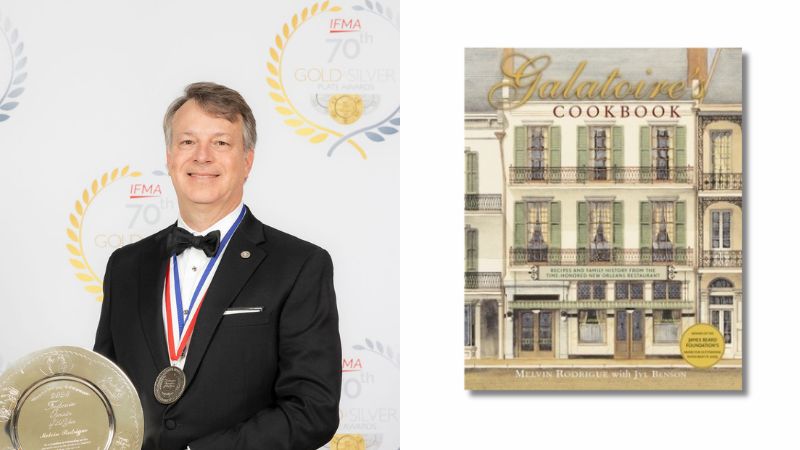
Why has the 120-year-old restaurant remained a favorite of New Orleans tourists and locals alike? (A family’s table and server preferences are often passed down from one generation to the next.) Rodrigue, the landmark’s longtime president, explores the heritage and lore that regulars seem to treasure as much as the Oysters Rockefeller.
Don Fox, Chain Limited Service, 2013
Welcome to Firehouse!
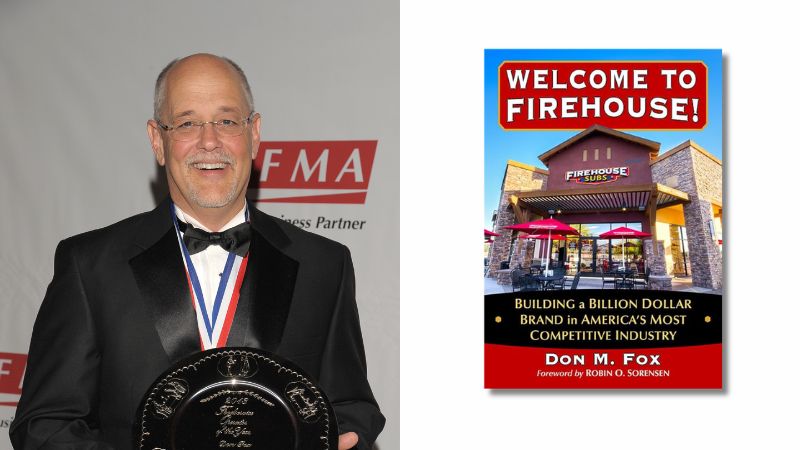
What else should we expect from a true renaissance man but a book focused on the business facet of his life? Fox, the former CEO of Firehouse Subs, is an historian (specializing in World War II) and a musician (he reportedly plays a mean trumpet) as well as a seasoned author (his writing credits include several works based on the firsthand recollections of World War II military figures.)
In this autobiographical work, Fox recounts how Firehouse grew from a sandwich shop founded by two firefighting brothers into a $1 billion brand. Included are Fox’s firsthand recollections of guiding the operation through the Great Recession and the pandemic.
Cheryl Bachelder, Chain Limited Service, 2012
Dare to Serve
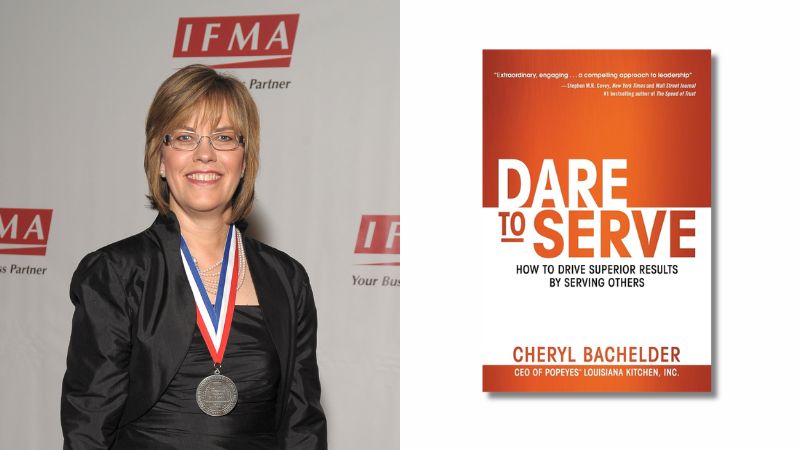
Popeyes was badly in need of a spinach infusion when Bachelder was named the ailing fried chicken chain’s CEO in 2007. A decade later, the brand was sold to Burger King’s parent for $1.8 billion—at the time, one of the highest prices ever paid for a restaurant chain.
In this account written after leaving the chain and becoming a motivational speaker, Bachelder provides a first-hand look at the transformation she engineered. The story makes a strong case for what the industry veteran views as the key to success for any CEO: Service leadership, or pursuing what’s best for employees, customers, and shareholders rather than yourself.
Cameron Mitchell, Chain Full Service, 2007
Yes is the Answer. What is the Question?
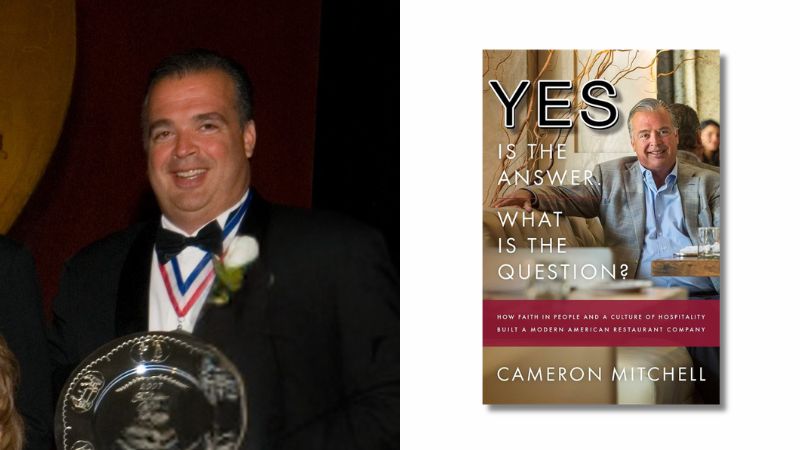
Mitchell, the founder and still champion of Columbus, Ohio’s Cameron Mitchell Restaurants, recalled the moment he knew restaurants would be his life. He was standing in a dining room of a famous high-volume Columbus restaurant, barely controlled chaos raging all around him, and realized, “Man, do I love this!” His autobiographical book details the highly successful career he’d subsequently follow, with some poignant and candid asides about his life outside the business.
Ron Shaich, Chain Fast Service, 2005
Know What Matters: Lessons from a Lifetime of Transitions
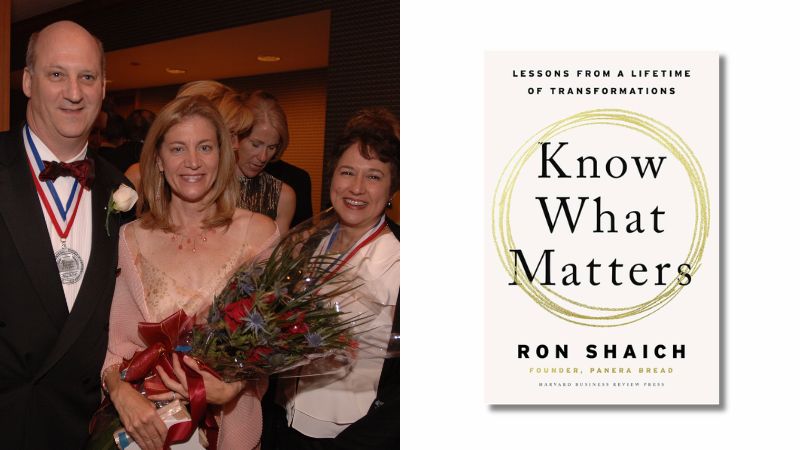
The founder of Panera Bread and current chairman of CAVA can tick off the major transitions of his life as readily as he can name his children. From a single cookie shop in Boston’s Faneuil Hall to his recent investment in the experiential eatertainment concept Level99, he’s found success by anticipating tomorrow’s trends, then figuring out how to benefit in a fashion that meets his ethical standards as much as his financial acumen. His 2-year-old book explains in detail how he’s done it.
Cliff Hudson, Chain Limited Service, 2004
Bricks and Clicks (with Craig Miller)
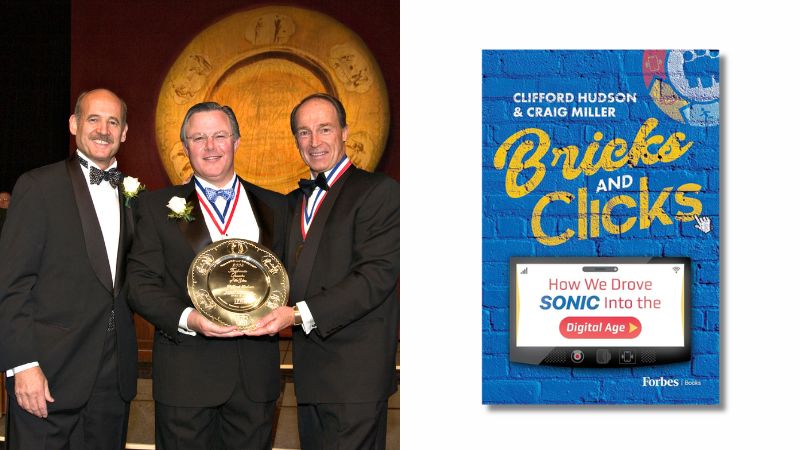
The daunting task of bringing a 1950s-style drive-in chain into the high-tech age is recounted in this account co-written by longtime Sonic CEO Hudson and his CIO, Craig Miller (not the Craig Miller who served as CEO of Ruth’s Chris and Uno.) The process was also complicated by the wide array of legacy POS systems that were still in use throughout its franchise community—in all, more than two dozen types of varying age and capabilities. Plus, the quantum leap in technological capabilities had to work with Sonic’s unique serving model, where patrons placed their orders from their cars via microphones, a set-up right out of “Happy Days.”
Danny Meyer, Independent Restaurants, 1999
Setting the Table: The Transforming Power of Hospitality in Business
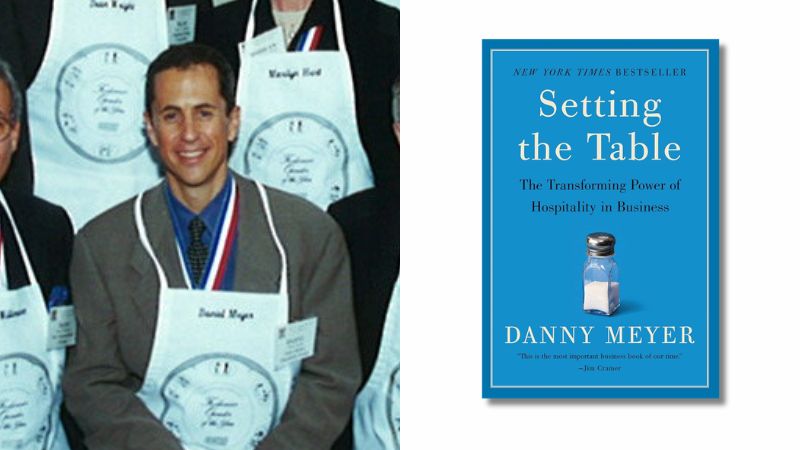
The management and service philosophy set out by the New York City fine-dining master is part of the industry’s collective mindset today, but his theory was groundbreaking for its time: First and foremost, take care of your employees to ensure they’re providing the best in service and hospitality; the business will take care of itself.
The magic of Meyer’s book isn’t the approach, but how to put it into action. Meyer shows how he came to his philosophy, and how it helped him build two stellar successes in Union Square Hospitality Group and, along the way, the Shack Shack fast-casual burger chain.
John Schnatter, Chain Limited Service, 1998
Papa: The Story of Papa John’s Pizza
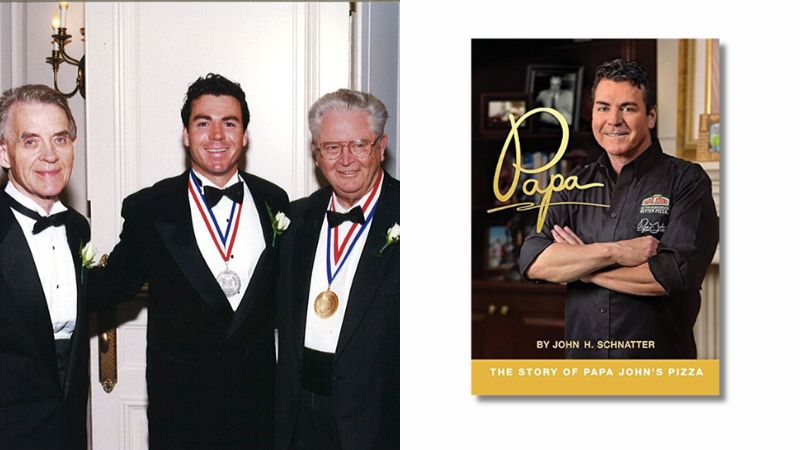
Actually, it’s only part of the story, the good half. It stops short of how Schnatter, a.k.a. Papa John, almost destroyed his brainchild with some ill-advised comments about the NFL and race relations. What makes the downfall all the more extraordinary is this account of how Schnatter sold his prized Camaro to raise money for a pizza oven, which he then shoehorned into the coat closet of a bar run by his father. It was the seed for what would become the nation’s fourth largest pizza chain--and as ideal an illustration of the American dream as you’re likely to find.
J.W. “Bill” Marriott, Jr., Hotels and Lodging, 1993
Without Reservations: How a Family Root Beer Stand Grew into a Global Hotel Company
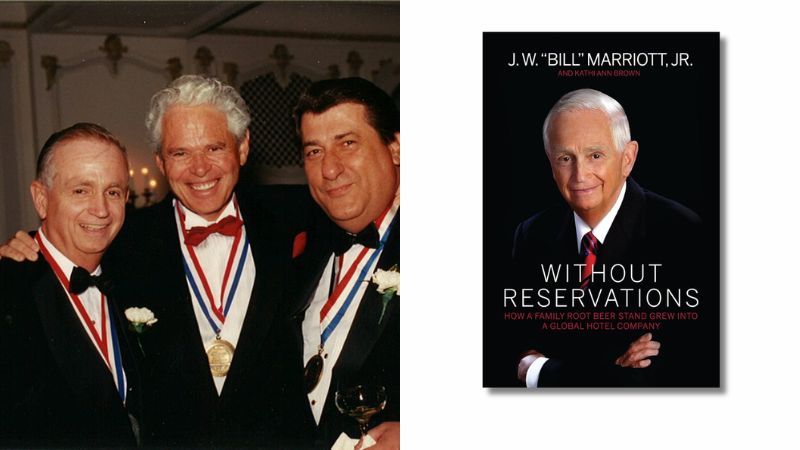
The book actually touches on the lives of three Silver Plate winners: Bill Marriott, who would turn a restaurant company into the world’s largest hotel corporation; his brother, Richard “Dick” Marriott, who would win the 2008 Silver Plate in the Hotels and Lodging category; and their father, J.W. “Willard” Marriott, who won the Silver in the classification in 1975. Bill’s account would provide the elder son’s perspective on how a truly family-run business would grow into one of the world’s largest.
Robert Rosenberg, Chain Fast Service, 1992
Around the Corner, Around the World
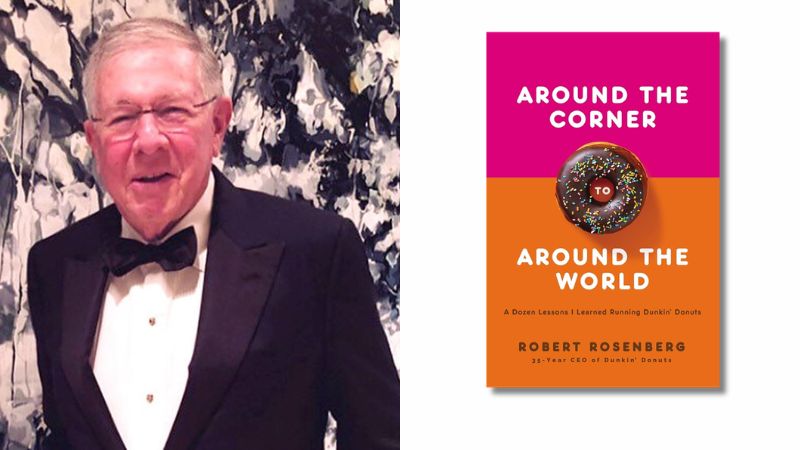
When Rosenberg took over Dunkin’ Donuts in 1963, about 13 years after his father had founded the brand, the doughnut chain was generating $10 million in sales. By the time he stepped down 35 years later, the operation was one of the nation’s largest quick-service operations, with systemwide sales of $2 billion. In the process, the chain introduced many in the industry to franchising.
In his recount, Rosenberg offers a dozen lessons he learned overseeing an organization that sold doughnuts by the millions. The insights are intended to help anyone in business, not just restaurateurs.
Herman Cain, Chain Fast Service, 1991
This is Herman Cain! My Journey to the White House
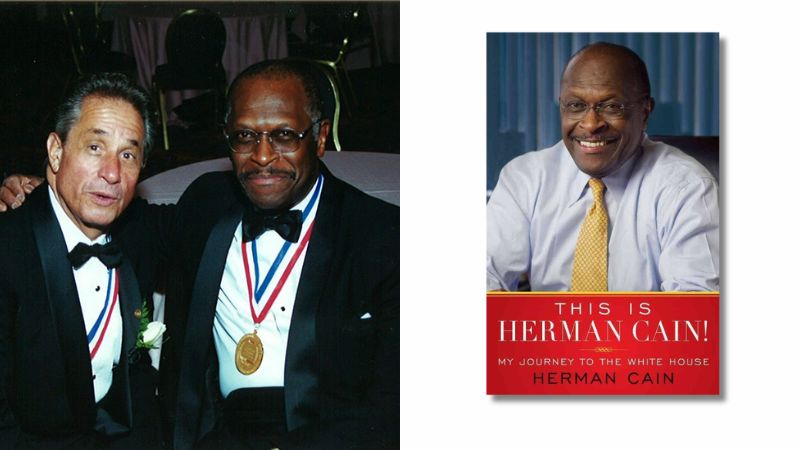
The one-time CEO of Godfather’s Pizza and the National Restaurant Association could have his own section in any industry-specific bookstore. The Atlanta native wrote on topics as diverse as how to be a more effective speaker, how to be a more effective leader, and, at least in his view, how the nation could be fixed with a new tax structure, his famous 9-9-9 theory.
We selected this book because it goes into Cain’s life story. His father was a chauffeur for Robert S. Wood, the legendary chairman of The Coca-Cola Co., and his mother cleaned houses. From those humble beginnings, he became a U.S. Navy officer, a mathematics master, a chain CEO, an association CEO, and then a candidate for the U.S. presidency, temporarily leading the aspirants for the Republican nomination in 2012. It’s a sampler of an extraordinary life.
Tom Monaghan, Chain Fast Service, 1984
Pizza Tiger (with Robert Anderson)
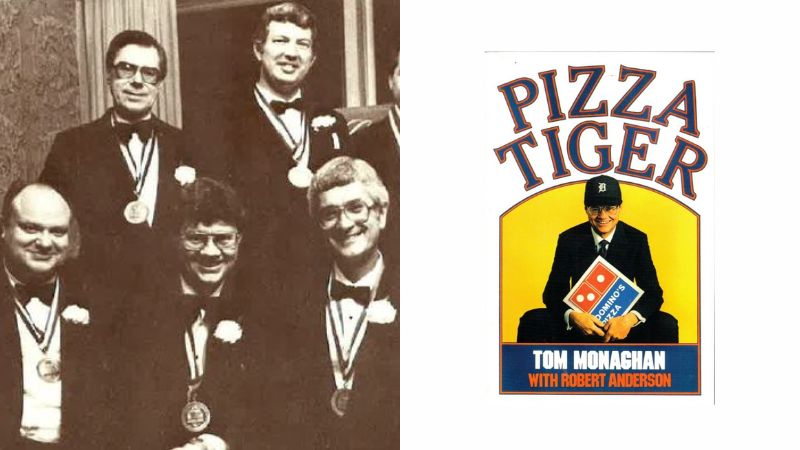
In an industry that abounds in rags-to-riches stories, the founder and longtime leader of Domino’s has one that would make a blockbuster movie. After living in and out of orphanages with his brother Jim, Tom Monaghan convinced his brother to go halfsies on a pizzeria in Ypisanti, Mich., called DomiNick’s. It proved popular with college students, in part because the Monaghans used an old Volkswagen Beetle to deliver pies to the youngsters. Tom eventually traded the car for his brother’s stake and began opening more restaurants specializing in delivery, a novelty at the time.a
Along the way he bought the Detroit Tigers, tried to build a slanting office tower to be called the Leaning Tower of Pizza, and ended up selling his brainchild to Bain Capital, then led by an up-and-comer named Mitt Romney, for $1 billion, a record-breaking sum at the time.
Dave Thomas, Chain Fast Service, 1979
Dave’s Way
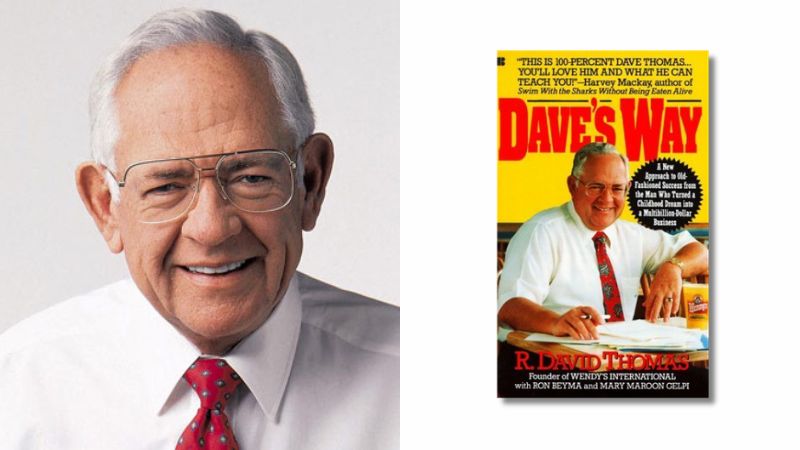
The only story that may rival Monaghan’s as the industry’s ultimate rags-to-riches tale may be the autobiographical account of how a young orphan in search of a fortune would find one several times over, ultimately through his founding of Wendy’s.
Thomas talked his way into a restaurant job while still too young to legally work for pay. (It was an entry-level position at Regas Restaurant, the Knoxville, Tenn., operation that would win Bill Regas a Silver Plate in the Independents category in 1992.)
From there, Thomas proved to have a Midas touch. He parlayed a Kentucky Fried Chicken franchise into a multi-million-dollar operation he eventually sold back to the chain while still a young man. Well-off but bored, he decided to take a stab at fast food’s Big Time, the burger market. The result was Wendy’s, today the industry’s second-largest player in that arena. Millions would come to know Thomas as the down-to-earth, grandfatherly figure who appeared in the chain’s commercials.
Ferdinand Metz, Honorary Gold Plate, 1984
From Many We Are One
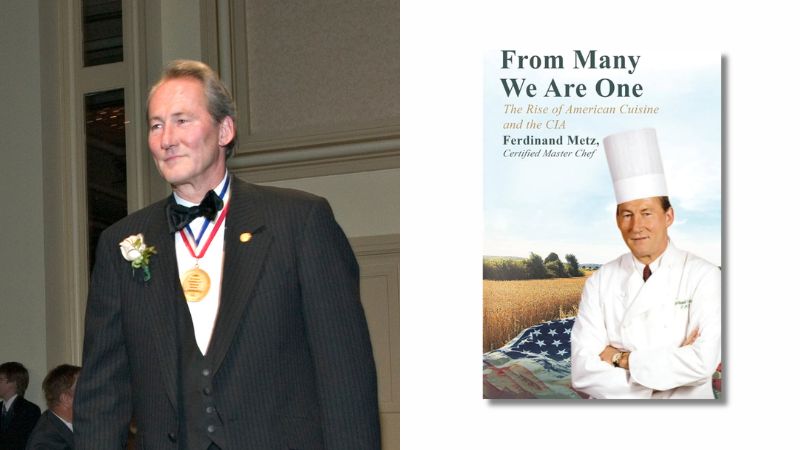
A celebrated chef in his early years, Metz is likely best remembered today as the longtime leader of the Culinary Institute of America, the food-away-from-home industry’s Harvard. In both the kitchen and the classroom, he played a key role in raising the stature of American cuisine, refuting the long-held notion that Europe was and would forever be the epicenter of the culinary world.
An account of the transformation is interwoven in the book with Metz’s recollections of a career that included cooking at New York City’s La Pavilion, one of the restaurants that put New York City on the fine-dining map.
Ella Brennan Martin, Independent Restaurant/Multi-concept, 1973
Miss Ella of Commander’s Palace (with Ti Adelaide Martin)
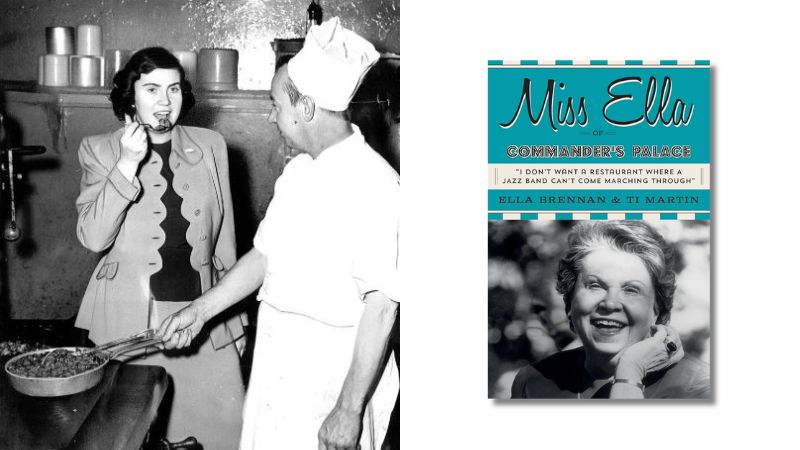
New Orleans isn’t exactly renowned for its decorum and rule-following. Yet only the lowest blackguard would have dared address Brennan as anything other than Miss Ella. For 40 years she was the grande dame of the city’s celebrated restaurant scene, bringing an old-school gentility to the job of operating Commander’s Palace.
But woe to the fool who failed to see the steel beneath the Delta charm. Brennan’s biography, written in collaboration with her daughter, provides a firsthand account of the legendary figure whose family is still synonymous with the Big Easy’s fine-dining scene. Had she done nothing else but recruit the chefs who graced Commander’s kitchen, she’d be a significant historical figure. The roster would include Paul Prudhomme, Emeril Lagasse, and Tory McPhail.
As Managing Editor for IFMA The Food Away from Home Association, Romeo is responsible for generating the group's news and feature content. He brings more than 40 years of experience in covering restaurants to the position.