CHICAGO, March 12, 2026 — The Trump Administration plans to release its first stab next month at a definition of ultra-processed foods (UPFs).
The release would mark a major step toward codifying tenets of the Make America Healthy Again (MAHA) movement into a new regulatory reality for the food-away-from-home business.
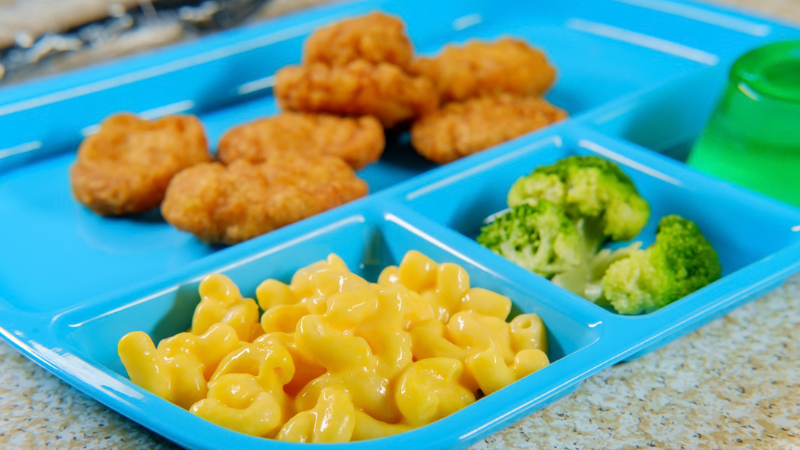
The U.S. Department of Agriculture has indicated that it’s about to propose new nutritional standards for schools participating in the National School Lunch Program. Once finalized, the regulations would govern what schools can and cannot serve if they want to continue receiving federal funding.
The new regulations are expected to limit student cafeterias’ reliance on UPFs, a prospect that concerns the facilities’ directors. They assert that the volumes of meals they need to produce and the limited resources provided to meet those targets have left schools highly dependent on foods requiring little more than heating before being served.
In addition, U.S. Health and Human Services officials say the Department intends to propose a revision next month of a key policy governing food manufacturing. Secretary Robert F. Kennedy said he intends to limit producer’s ability to self-affirm the safety of familiar ingredients, as permitted under the federal government’s Generally Regarded as Safe (GRAS) policy.
Kennedy contends that the current GRAS policy is often misused by manufacturers to slip unhealthy ingredients into UPFs without drawing regulatory scrutiny. His criticism has spurred speculation the HHS may require pre-production approval by the Food & Drug Administration of most or all ingredients.
The regulatory disclosures planned for next month would bring federal nutrition policy more in line with the core principles of the MAHA movement. UPFs in particular have been demonized as serious threats to public health.
The potential impact on the food-away-from-home industry was a major topic of discussion at COEX, the trade’s annual conference. Speakers accused the Administration of ramrodding MAHA’s controversial theories into policy without the rulemaking process’ usual transparency.
School foodservice professionals voiced concerns that regulators will disregard UPFs’ operational benefits while striving to curb their use. Without those easy-to-serve products, they asserted, cafeterias won’t be able to compensate for their limited kitchens and tight staffing. Scratch cooking would not be feasible unless those resources were drastically increased.
“This morning we served breakfast to 9,000 kids,” Danielle Bock, Executive Director of Nutrition Services for Colorado’s Greeley-Evans School District #6, commented at COEX. “I literally could not do that without processed foods.”
Manufacturers stressed that reformulating products villainized as ultra-processed will take considerable time. They also aired concerns about the impact on price.
The Administration’s target dates came to light through a variety of public appearances by officials like Kennedy, FDA Commissioner Martin Makary, and U.S. Agriculture Department Secretary Brooke Rollins.
COEX was held March 8-10 in Atlanta. The 2027 conference is scheduled for March 6-8 in Orlando, Fla.
As Managing Editor for IFMA The Food Away from Home Association, Romeo is responsible for generating the group's news and feature content. He brings more than 40 years of experience in covering restaurants to the position.