CHICAGO, March 18, 2026 - Robert F. Kennedy Jr. kept his jeans on during a recent video proving his physical fitness, but he couldn’t avoid a full Monty at COEX. A critical look at his pet MAHA projects suggested the health emperor is wearing no clothes.
Many of the assertions underlying his Make America Healthy Again crusade were exposed during a session focused on the movement as personal whims and wishful thinking rather than sound science-based principles.
“It’s kind of that man’s dietary guidelines,” said presenter Dr. Joy Dubost, principal of the NJOY Health and Nutrition consultancy and the subject matter expert on nutrition for IFMA The Food Away from Home Association.
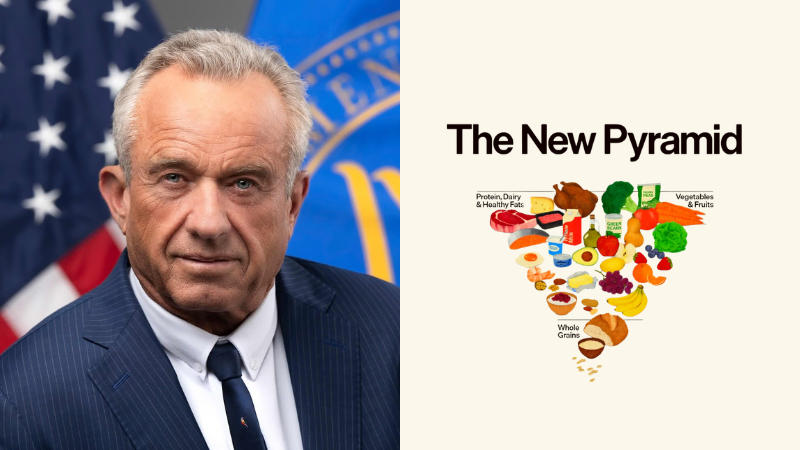
She provided a detailed breakdown of the federal government’s recently released 2025 Dietary Guidelines for Americans (DGA). Issued every five years, the document sets the foundation for the federal government’s nutrition policy for the next half-decade.
The broad strokes of the DGA are distilled into regulations governing federal feeding programs, including the National School Lunch Program, military foodservice operations, and meal programs for veterans. The tactical rules determine how 1 in 4 Americans will be fed, according to Dubost.

But the process for drafting the 2025 guidelines, issued a few weeks late this time around, veered significantly from the approaches of the past, according to the registered dietician. She explained that the DGAs have traditionally been drafted by a committee of about 20 prominent scientists from the fields of health and nutrition.
This time around, “because of a veil of secrecy, we still don’t know who wrote these guidelines,” said Dubost.
Many of the recommendations reflect the viewpoints Kennedy raised as personal biases before he was appointed Secretary of Health and Human Services.

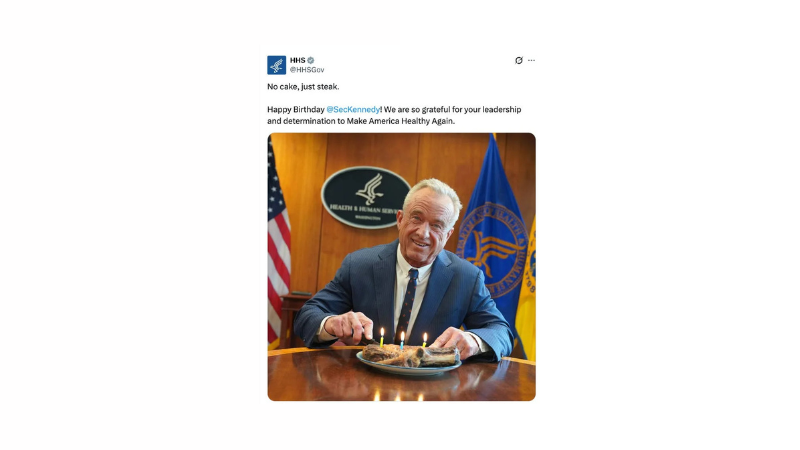
For instance, a key assertion of the guidelines is that Americans should eat more protein. Kennedy, a fitness fanatic, has been voicing that advice and following it himself for years. Dubost noted how the Secretary had celebrated a recent birthday with a steak topped with a birthday cake candle.
“I don't think it's any surprise that we see protein has risen to the top” of the DGA’s imperatives for boosting health, said Dubost.
Yet the recommendation doesn’t make sense, she asserted. The new guidelines call for Americans to eat 1.2 - 1.6 grams of protein per kilogram of body weight. “Typically, Americans are already getting way above that,” she said.

Similarly, Kennedy has recommended that children drink whole fat milk rather than a version with 2% fat. Yet the DGA maintain a recommendation from the 2020 edition that Americans consume no more than 10% of their calories in the form of saturated fat. “How are you going to drink whole milk and eat steak and still fall within that? There's a true disconnect there,” said Dubost.
Another disconnect: “For children, they're saying you shouldn't have any added sugars in their diet. But if you do, you should limit it to 10 grams per meal.”
If that recommendation becomes part of the new school lunch requirements, foodservice directors would no longer be able to serve their students flavored milk or flavored yogurt, two products with a health halo that kids will actually consume.

Dubost did see many positives within the new DGA. For instance, it calls for increased consumption of fresh fruits and vegetables, a perennial goal of public health advocates.
She said she was relieved to see the guidelines stress the importance of consuming whole grains, since Kennedy has said little about that component of U.S. diets. Dubost said she worried grain consumption would not be addressed at all.
"However, there's no mention of refined grains or enriched grains, which is concerning," she continued. “Enriched grains really provide essential nutrients to a diet.”
In the past, some DGA updates were met with a ho-hum from the health community. But the uniqueness of the 2025 guidelines should have the food industry giving the proposals a thorough analysis, according to Dubost.
She noted that a proposal has already been floated to issue the updates every 10 years instead of twice a decade.
In addition, Kennedy has already indicated that he’d be interested in remaining Secretary of Health & Human Services after Donald Trump’s tenure as president ends.
Read Dubost’s update on the MAHA movement and its implications for the food-away-from-home industry every Monday on IFMA The Food Away from Home Association’s website, foodaway.org.
As Managing Editor for IFMA The Food Away from Home Association, Romeo is responsible for generating the group's news and feature content. He brings more than 40 years of experience in covering restaurants to the position.