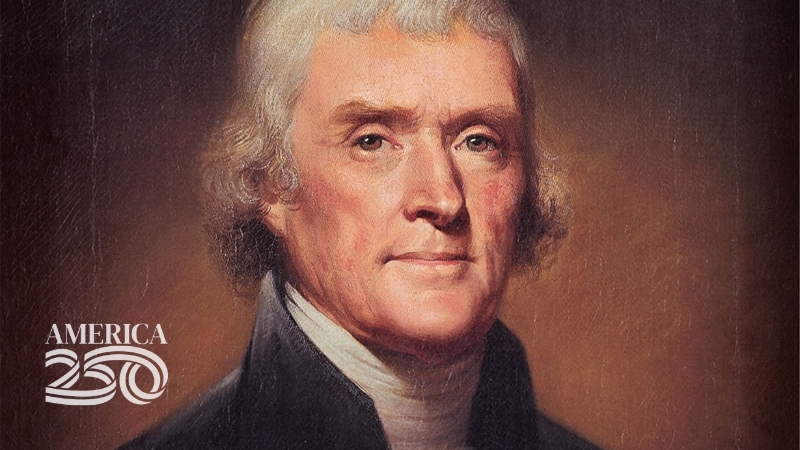
Any grade-schooler might know Thomas Jefferson as the author of the Declaration of Independence. Often overlooked by a nation celebrating the 250th anniversary of that monumental work is his role as the founding foodie—an influencer who strove to free the young United States from Britain’s low dining standards as well as its imperial rule.
Before Jefferson put quill to parchment to announce the Colonies’ break with England—fittingly while supping in one of the taverns that then constituted America’s dining-out trade—settlers subsisted on what were largely bowls of protein-heavy slop. Meat and the few vegetables Americans tolerated in a meal were usually stewed or boiled, according to food historians. Many of the preparations had come to the New World with settlers focused on sustenance, not culinary art.
An unabashed Francophile blessed (or cursed) with fervent curiosity, the native Virginian introduced the New World to how royalty and the elite dined in the palaces of Continental Europe. Many staples of modern-day American cuisine trace back to what Jefferson brought home after serving as the United States’ ambassador to France, including French fries, mac ‘n cheese, olive oil, Champagne, Parmesan cheese, mayonnaise and pasta.
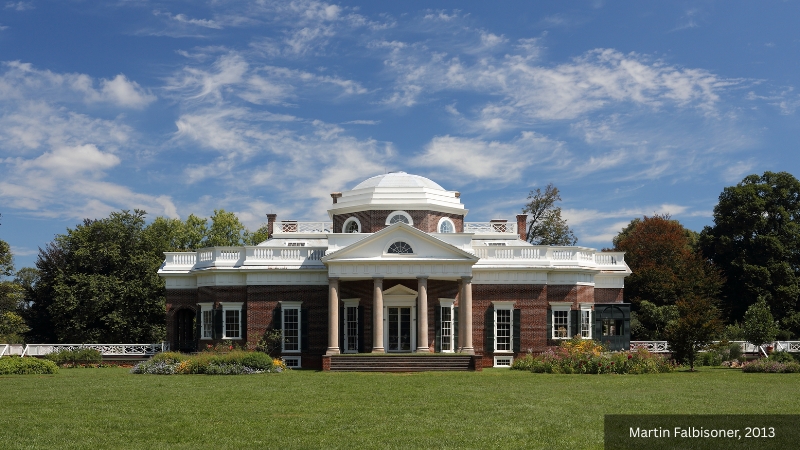
He introduced America’s upper crust to those continental specialties via “suppers” at his Monticello plantation that might begin at 3 in the afternoon and run well into the night.
The meal might wrap up with creme brulé, vanilla ice cream or a meringue-topped dessert, all of which he’d first tasted in Paris.
A wine afficionado, Jefferson brought 680 bottles of French vintages back with him to the States. Champagne was a particular favorite.
He treated more of the nation’s elite to a taste of European fine dining at state dinners presented while he was president from 1801 to 1809.
“Jefferson was our first gourmet,” food historian Thomas J. Craughwell told a magazine for history buffs published by the tourist site Colonial Williamsburg. “He thought about food more than anybody else in America during his life."
Consistently, Jefferson’s was not the rustic table of the frontier, but a mash-up of French finery and the traditional fare of plantation aristocracy. Examples include such dishes as capon stuffed with Virginia ham and beef stewed in a French bouillon.
“Jefferson never entirely rejected plantation fare,” food historian Ed Crews noted in Colonial Williamsburg’s magazine.
The Virginia component often consisted of locally grown ingredients, typically the literal fruits of Jefferson’s passion for gardening and farming. Indeed, some historians cite the nation’s third president as the first apostle of the farm-to-table movement. Monticello, Jefferson’s plantation, featured expansive, well-tended gardens abounding in vegetables and fruit trees. The produce would be harvested and served immediately.
Among his favorite fresh items were cantaloupe, corn, sweet potatoes and watermelon, according to Crews.
Unable to find them readily available in Europe, Jefferson grew the New World specialties at his residence during his time in France.
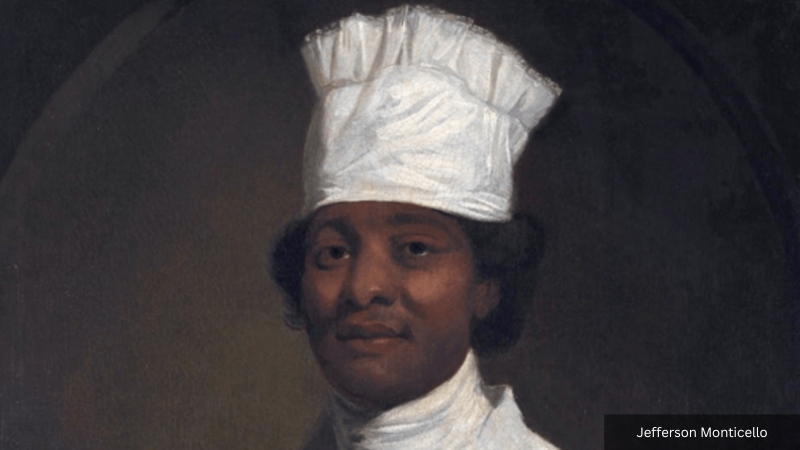
Crews and other food historians note that Jefferson the foodie had a superb enabler in his chef, James Hemings. Born into slavery, Hemings was part of the dowry Jefferson received upon marrying Martha Wayles, the daughter of another member of the Virginia aristocracy.
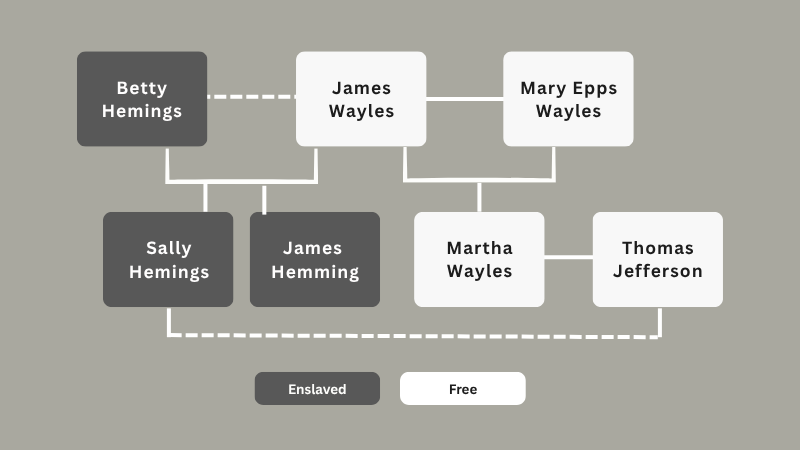
In one of American history’s strangest family webs, Hemings was also Martha Wayles’ half-brother; plantation owner James Wayles was the father of both. Hemings’ mother, Betty Hemings, would be James Wayles’ concubine for more than a decade.
It gets even weirder: Wayles was also the father of Sally Hemings, the enslaved woman who became Jefferson’s longtime mistress and the mother of six of his children.
It is not clear what role James Hemings fulfilled in his youth in Jefferson’s household. At age 19, he was ordered to accompany Jefferson to Paris to train as the ambassador’s personal chef.
Because anti-slavery sentiment was strong in France, Jefferson paid Hemings a wage of $4 per month but did not free him. The young man used the money to pay for French lessons and part of his culinary education, which included staging in some of French nobility’s mansions. There, he learned how to prepare such dishes as a macaroni and cheese pie, or what we now know as mac ‘n cheese.
By all accounts a fast learner in the kitchen, Hemings remained Jefferson’s chef after the pair returned to the United States, headquartered at the time in Philadelphia. Because Pennsylvania had outlawed slavery, Jefferson continued to pay the young man a wage but kept him technically in bondage.
Jefferson, the man who declared all men are born with the inalienable right to freedom, finally agreed to release Hemings if the latter would train a successor to serve as the chef of Monticello. Hemings chose his brother, Peter, who was still a slave. The training would take several years.
Finally freed, James Hemings would take his own life at age 35, after a life of hard drinking.
Jefferson would indulge his passion for fine French fare for the rest of his life. He also helped establish the practice of using state dinners as a tool for fostering international relations.
He would die in 1826 at 83, a very advanced age for the times.
The date: July 4.
Interested in sponsoring subsequent installments of our special report on 250 years of American dining? Click here.