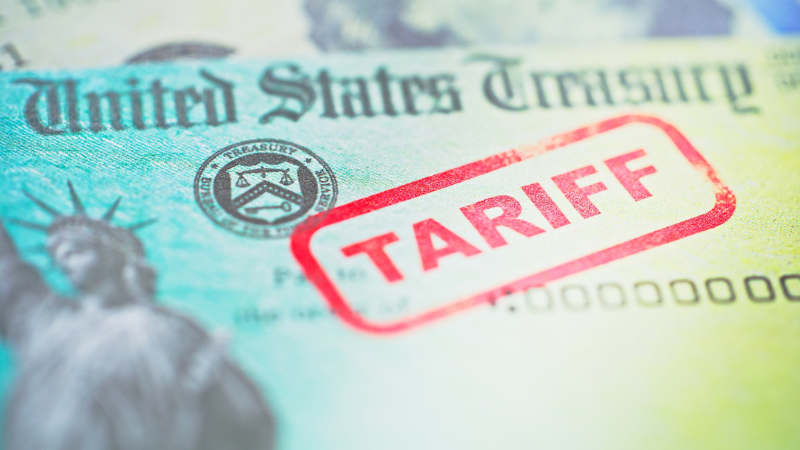
CHICAGO, July 13, 2026 —Remember all the hullabaloo about tariffs? Get ready for a possible reprise during the next few weeks.
The volume of controversy over President Donald Trump’s international trade policy has seemingly dropped since a federal court decided the White House lacked authority to impose the latest round of protectionist duties. The 10% surcharges on most imports, including supplies for the food-away-from-home industry, are quietly being collected until another judicial body rules on an appeal brought by the administration.
Simultaneously, the federal government is meting out reimbursements of the stiffer tariffs that it initially imposed to protect domestic producers by putting their foreign competitors at a significant pricing disadvantage. Those initial duties, some ranging into triple digits, were struck down as unconstitutional by the U.S. Supreme Court back in February.
More fuel is likely to be poured on the controversy no later than July 24, when the justification cited by the White House for its 10% duties unequivocally ends. Those levies were imposed under a statute that allows the president to impose tariffs for up to 150 days in times of economic emergency. The surcharges can only be extended by permission from Congress.
Trump maintains the nation’s international trade imbalance poses a national emergency, giving him a clear right to set the tariffs. The U.S. Court of International Trade has disagreed, ruling the 10% tariffs are illegal. The U.S. Court of Appeals for the Federal Circuit is deciding which party is correct, with the 10% duties still being collected during the ongoing deliberations.
Yet the 150-day deadline could force a hard stop on the administration regardless of the Appeals Court’s ruling. It falls on July 24.
Nevertheless, the White House has indicated that it still favors punitive and protective tariffs as important weapons available to the president in his management of international affairs. Earlier this week, the administration argued that it has the power to levy stiff new tariffs on imports from countries that have failed to eradicate forced labor.
Earlier, Trump threatened to impose 100% duties on imported goods from nations that tax the services and products of U.S. data companies such as Meta and Amazon.
He also raised the possibility of ending an import exemption for beer brewed in Mexico, the source for more than 80% of the suds consumed in the U.S. Canned beer from the U.S.’s southern neighbor is already subject to duties because of a tariff on aluminum packaging.
Possible justifications for the new tariffs were not aired.