v
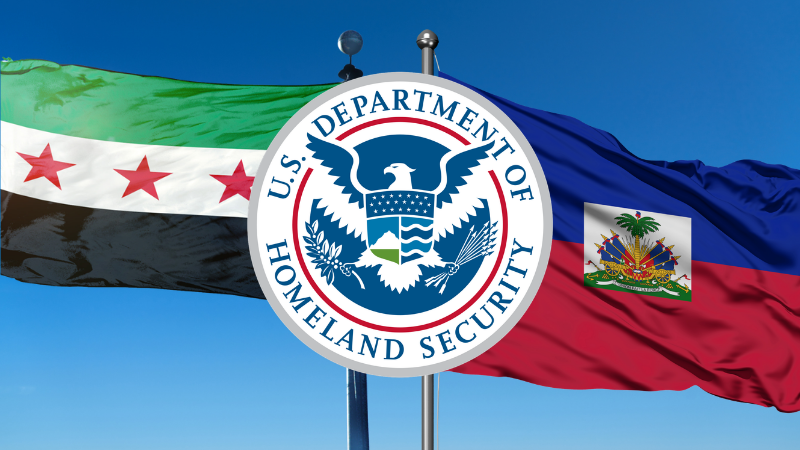
CHICAGO, July 13, 2026 — The food-away-from-home workforce is expected to contract significantly when more than 350,000 immigrants legally employed in the U.S. lose their protected status on July 24.
The Trump Administration warned U.S. employers on Friday that those employees, currently working legally in the U.S. under what’s called Temporary Protective Status (TPS), should be discharged no later than that date.
Most are Haitians who came to the U.S. to escape the aftermath of natural disasters and political turmoil within their home nation. But other employees working under TPS include immigrants hailing from Syria, Ethiopia and a number of other nations. The TPS of those affected workers expire by that date.
An exact count of the workers who’ll be affected has not been released by the Administration. Nor has there been an official breakdown of where those individuals currently work. But worker advocates have asserted that most are currently employed in healthcare support positions, agricultural jobs and foodservice.
The July 24th deadline for firing the employees is the third that’s been set by the federal government since the U.S. Supreme Court ruled the Administration’s withdrawal of TPS from noncitizens from particular countries was within the power of the executive branch. That decision was handed down June 25 on a case initially brought to the court in mid-February.
Initially, the U.S. Department of Homeland Security said employees who lost their legal working status because of the decision should be let go no later than July 1. That trigger date was quickly pushed back to July 10, and finally to July 24.
The Administration said the delays were necessary to allow lower courts with deliberations underway on TPS-related cases to interpret and apply the implications of the Supreme Court’s decision.
The National Restaurant Association and 12 state affiliates have asked the Administration to extend the working rights of affected foodservice workers by 90 to 120 days, arguing that the employees are critically needed during the industry’s peak season.
No response from the government has yet been made public.
The Association has projected that the restaurant industry will need to hire 450,000 more employees to meet its labor demands this summer. Yet employment dropped by 32,900 jobs in June, according to the latest employment figures from the U.S. Bureau of Labor Statistics.