v
CHICAGO, July 13, 2026 — Health officials have yet to determine the source of a cyclospora outbreak that’s now sickened thousands of consumers in 31 states.
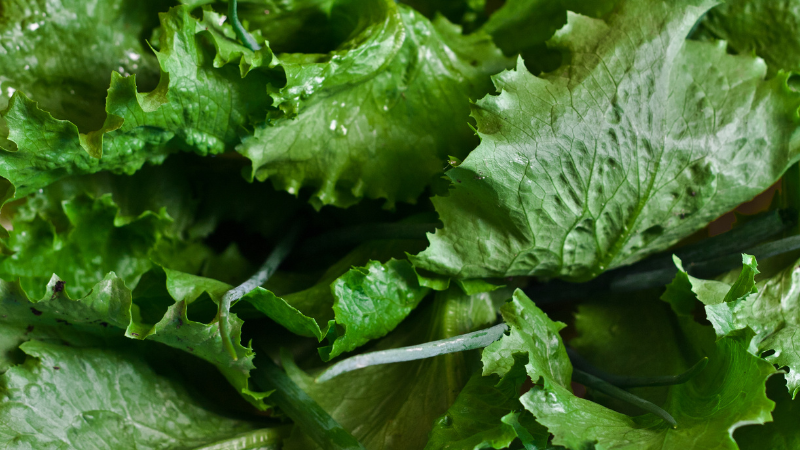
Among the foods suspected of carrying the microscopic parasite are bagged salads, fresh cilantro, fresh basil, raspberries, snow peas and scallions. Michigan officials say they suspect the carrier could be lettuce or other salad greens, but have acknowledged that they’re uncertain.
“Although we do not have a definite product identified as the source of the outbreak, we want to let Michiganders know what we have learned so far so they can take steps to protect their families,” Dr. Natasha Bagdasarian, the state’s chief medical executive, said in a media statement.
Taco Bell said it has “voluntarily and temporarily removed limited ingredients at select restaurants as a precautionary measure. We will continue to closely monitor the situation and follow the guidance of public health authorities.”
The affected restaurants are believed to be in Michigan. The chain issued the statement after The Washington Post reported health officials are looking into a connection between the outbreak and the chain, but all parties say none has been found.
Refrigerated and canned foods have been ruled out to date as possible sources by the U.S. Centers for Disease Control and Prevention (CDC).
Cyclospora usually triggers chronic diarrhea in individuals who ingest the microorganism. The contamination can cause dangerous dehydration in some victims, but the ailment is seldom fatal. The CDC says 86 victims have been hospitalized thus far, or about 10% of the 843 cases that have been reported to the federal agency.
States have tallied a much higher count of victims. Michigan, for instance, had recorded 2,600 cases as of last Thursday, and Ohio has confirmed more than 400.
The Midwest has been the epicenter of the contamination, with the case count particularly high in south Michigan. But health officials in dozens of states say they’ve joined the hunt for a cause.
The breadth of the infection suggests that there could be multiple sources. The investigations have focused on fresh produce because the cyclospora organism is killed by cooking.
Nor can the pathogen be passed from person to person or via the air.
Michigan’s Department of Health and Human Services is advising food-away-from-home establishments to reduce the risk of contamination by using whole heads of lettuce and discarding the outer leaves. It also recommends thorough washing of raw produce like leeks and cilantro, and to cook possible carriers like raspberries and snow peas instead of serving them raw.